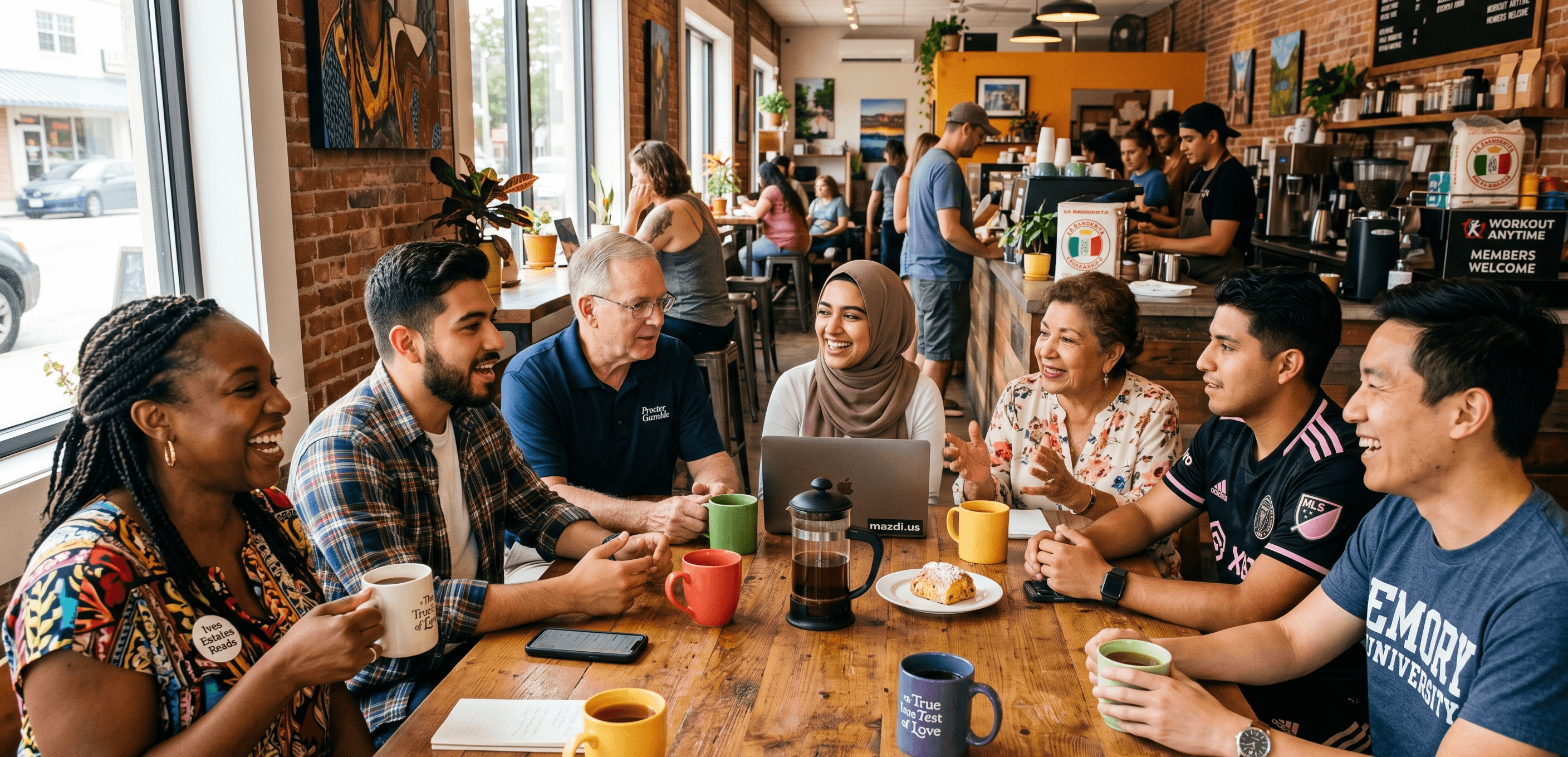
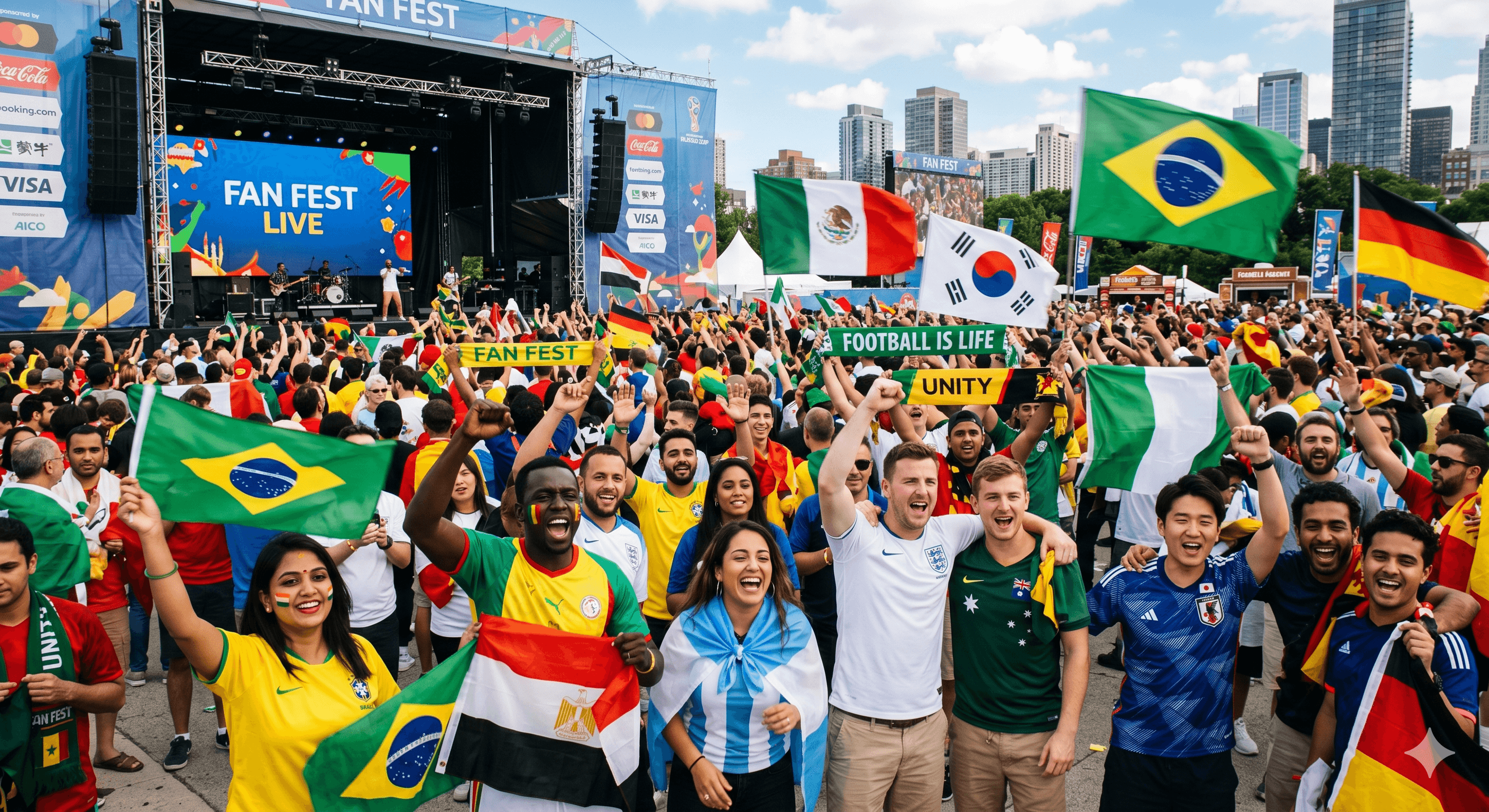
The U.S. is the most multicultural country on earth. More than half the population is either part of a minority group or traces their heritage to somewhere other than Western Europe — often just three or four generations back. When you buy a "general market" campaign, you're paying to reach a person who is statistically a minority of the country, and you're hoping everyone else overhears it and feels included. They don't. They feel talked past.
The number brands keep ignoring
The U.S. Latino economy hit $4 trillion in 2025. On its own, that ranks as the fifth-largest economy in the world — ahead of India, the U.K., and France — and it's growing at 4.4% a year, faster than every one of the world's ten largest economies except China.
Read that again. Latinos are 19.5% of the population but accounted for 28.3% of all the growth added to U.S. GDP between 2017 and 2022. This isn't a segment you "expand into" when budget allows. It's where the growth is coming from.
And yet the spending math is upside down. Brands pour billions into general campaigns that land softly with this audience, then carve off a small "multicultural" line item and translate the same ad into Spanish. That's not a strategy. It's a box being checked.
Translation is not connection
Here's the mistake I see most often. A brand takes its national campaign, runs it through a translation, and calls it Hispanic marketing. The words change. Nothing else does. The insight was built for someone else, so it connects with no one.
I call the lazier version of this "Latino coding" — la abuelita in the kitchen, a Cinco de Mayo promo, a plate of something spicy. It signals that a brand noticed Latinos exist without doing the work to understand them. It doesn't build affinity. It costs it.
A second-generation Mexican-American in Los Angeles and a recent Colombian arrival in Miami are not the same consumer. They don't share a language register, a media diet, or a reason to care about your product. Treating them as one bucket called "Hispanic" is the same error as treating the whole country as one bucket called "American." You have to know which person you're talking to, and you have to build something for them — not adapt something built for someone else.
That's the entire difference between a campaign that gets ignored and one that moves a market.
What it looks like when you build for the culture
When the work starts from real cultural insight instead of translation, the numbers stop looking like a niche line item.
We built La Banderita's Cinco de Mayo campaign around the way the moment actually lives in Mexican-American households — not the version on a chip bag. Organic traffic went up 15x, and the brand moved 8.5 million tortillas off the strength of it.
For Workout Anytime, the line was "You Fit In Here" — an idea about belonging that meant something specific to the audience we were speaking to. It drove 3,500+ new memberships and more than $1.1 million in four weeks.
With Emory University, the goal was harder than selling anything: get more people to test for HIV. We met the audience where their real conversations happen — on WhatsApp — with a campaign called "The True Test of Love." Testing went up 500%, and the work is credited with helping prevent roughly 1,200 infections.
And for Procter & Gamble, we built the annual MLS-season campaign around the place soccer holds in Latino life in this country — not as a translated sports spot, but as something that belongs to the audience it's speaking to.
Different industries. Different segments. Same principle every time: figure out who the person actually is, then build for them.
The brands that figure this out first win
The general market is dead because the "general" person was never real. What's real is a $4 trillion economy that most of your competitors are still treating as an afterthought — which means it's the cleanest growth opportunity on the board for whoever moves first.
You can keep buying the average and hoping it carries. Or you can build for the people actually driving the growth.
See the full case studies and the results behind them at mazdi.us.
MAZDI is the omnicultural creative agency built to reach Hispanic and multicultural audiences in the U.S. — with cultural insight first, and real execution to back it.