For decades, the advertising industry organized strategy into two neat buckets:
General Market
Multicultural (including Hispanics, Asians, African Americans, among others)
Super Bowl 2026 made something impossible to ignore: That separation no longer reflects reality.
With nearly 125 million viewers across NBC, Peacock, Telemundo, and digital platforms, the audience wasn’t singular. It was layered. Bilingual. Bicultural. Hybrid.
And the brands that resonated most didn’t “target Hispanics.” They reflected America as it actually exists today.
Multicultural isn’t a segment anymore. It’s the mainstream.
Culture Wasn’t the Add-On. It Was the Center.
Bad Bunny’s halftime performance — largely in Spanish and unapologetically rooted in Puerto Rican identity — wasn’t a niche moment.
It was the cultural centerpiece of the night. What mattered even more than the show itself was how brands responded.
They didn’t translate around culture. They built with it.
They assumed cultural fluency. They trusted the audience.
That’s not targeting. That’s evolution.
Case Studies: The Brands That Got It Right
Case Study #1
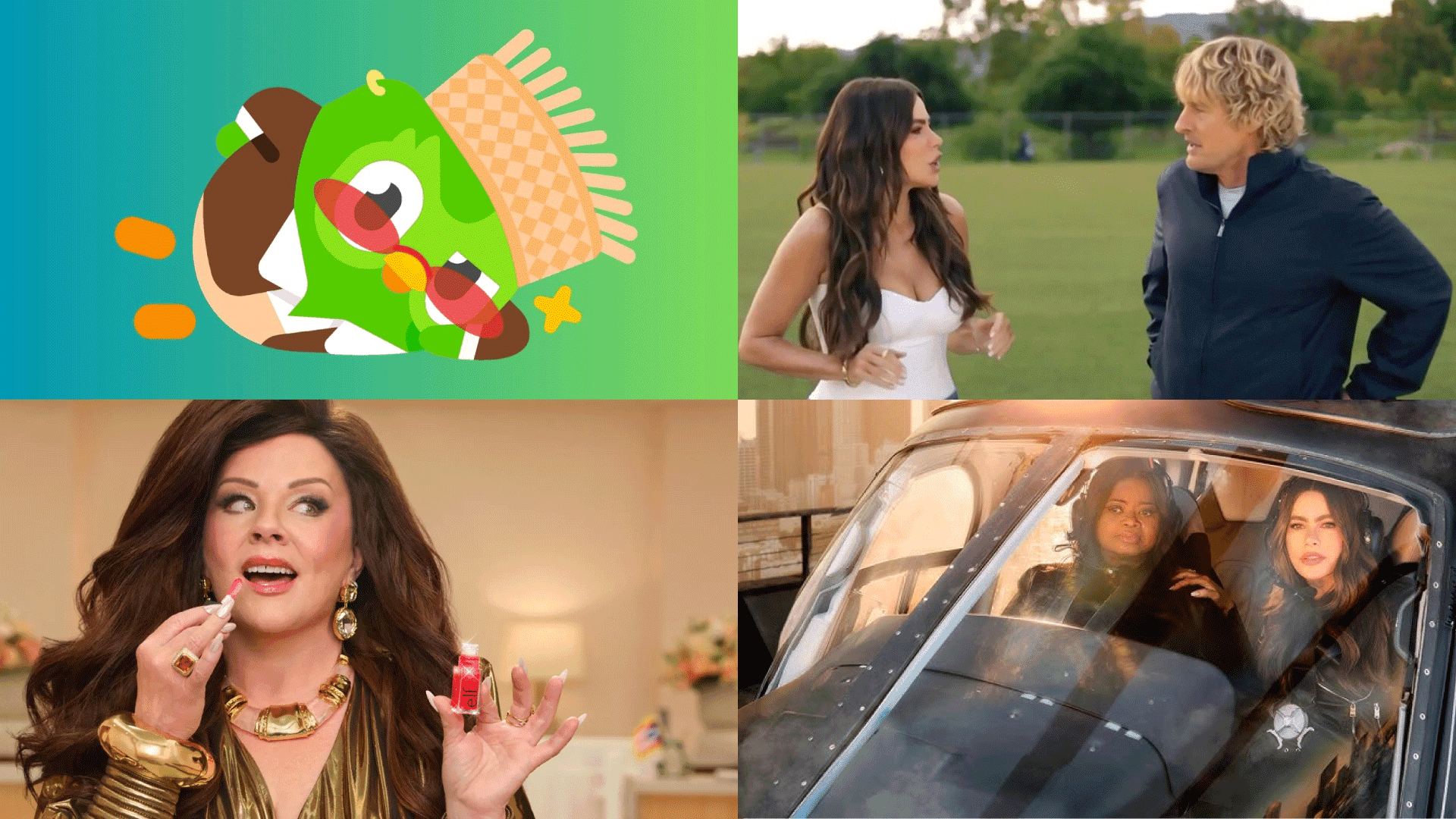
e.l.f. Cosmetics — Culture as Creative Architecture
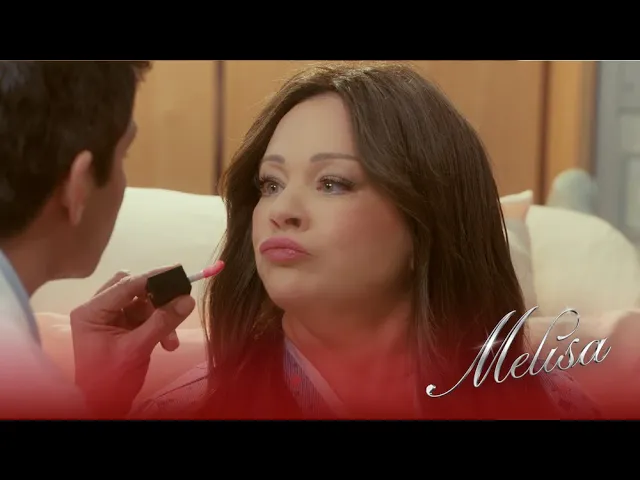
e.l.f. didn’t simply incorporate Latin references — it built an entire telenovela-style storyline into the creative itself.
The commercial featured Itatí Cantoral — channeling her iconic “Soraya” energy — alongside Melissa McCarthy. The plot centered on needing to learn Spanish quickly to attend a reggaeton concert.
This wasn’t a “Hispanic-targeted” ad. It was culture functioning as the creative engine.
Instead of using cultural cues as decoration, the brand used the telenovela format as the structural framework of the story.

Key Takeaway: When a brand uses a cultural format as the foundation of storytelling — not as surface-level representation — the work resonates authentically and powerfully across audiences.
Case Study #2
Duolingo — “Bad Bunny 101”
Tapping Directly Into Halftime Energy
Duolingo created a Spanish “crash course” concept that worked because it was built for the moment. Fans didn’t want a lecture. They wanted cultural access.
The brand positioned itself as the bridge to participation — not the translator on the sidelines.
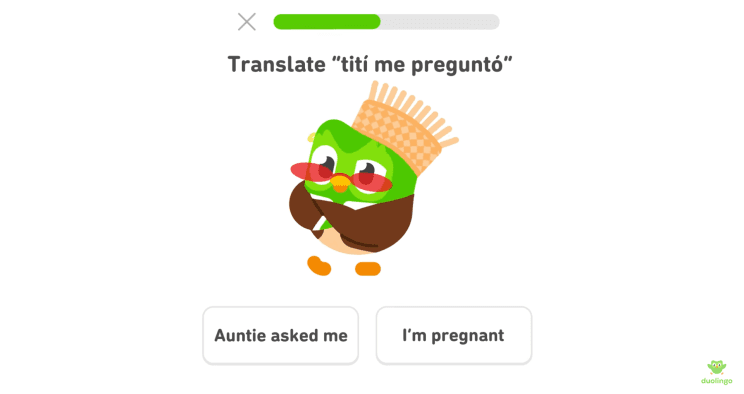
Instead of explaining the halftime performance, Duolingo empowered audiences to step into it.
The Strategy Behind It:
Real-time cultural relevance
Empowerment over explanation
Access as the value proposition
The Insight: Brands don’t need to translate culture. They can help people participate in it.

Case Study #3
Telemundo — “Tu Momento, Tu Jugada”
Spanish as the Point, Not the Translation
Telemundo’s World Cup positioning spot didn’t frame Spanish as secondary. It made Spanish the moment.
With Owen Wilson and Sofía Vergara using humor and celebrity chemistry, the campaign positioned learning Spanish as joining a cultural wave — not accommodating one.
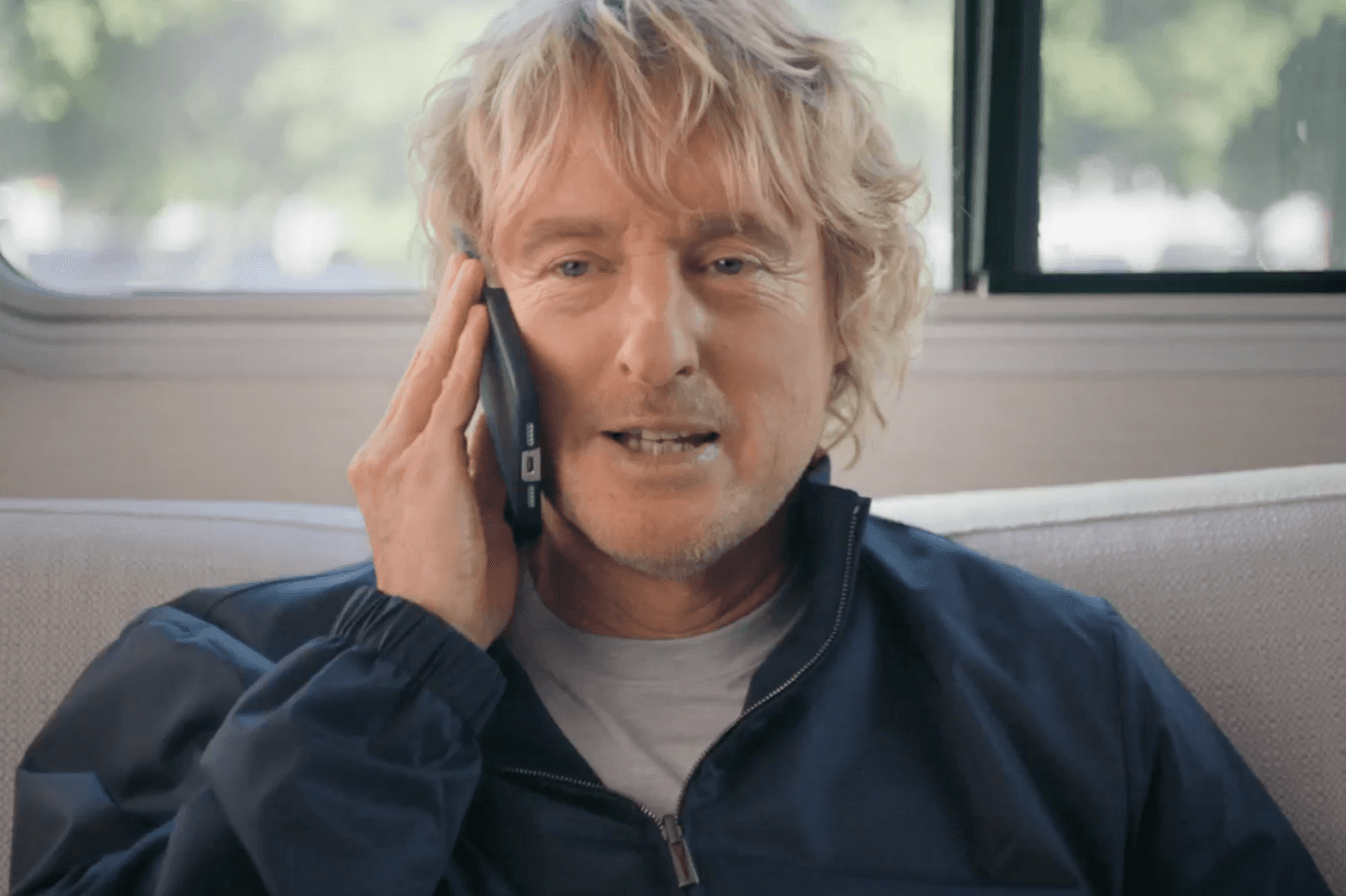
The message was clear:
Spanish-language culture wasn’t niche. It was a national tentpole event everyone wanted to be part of.
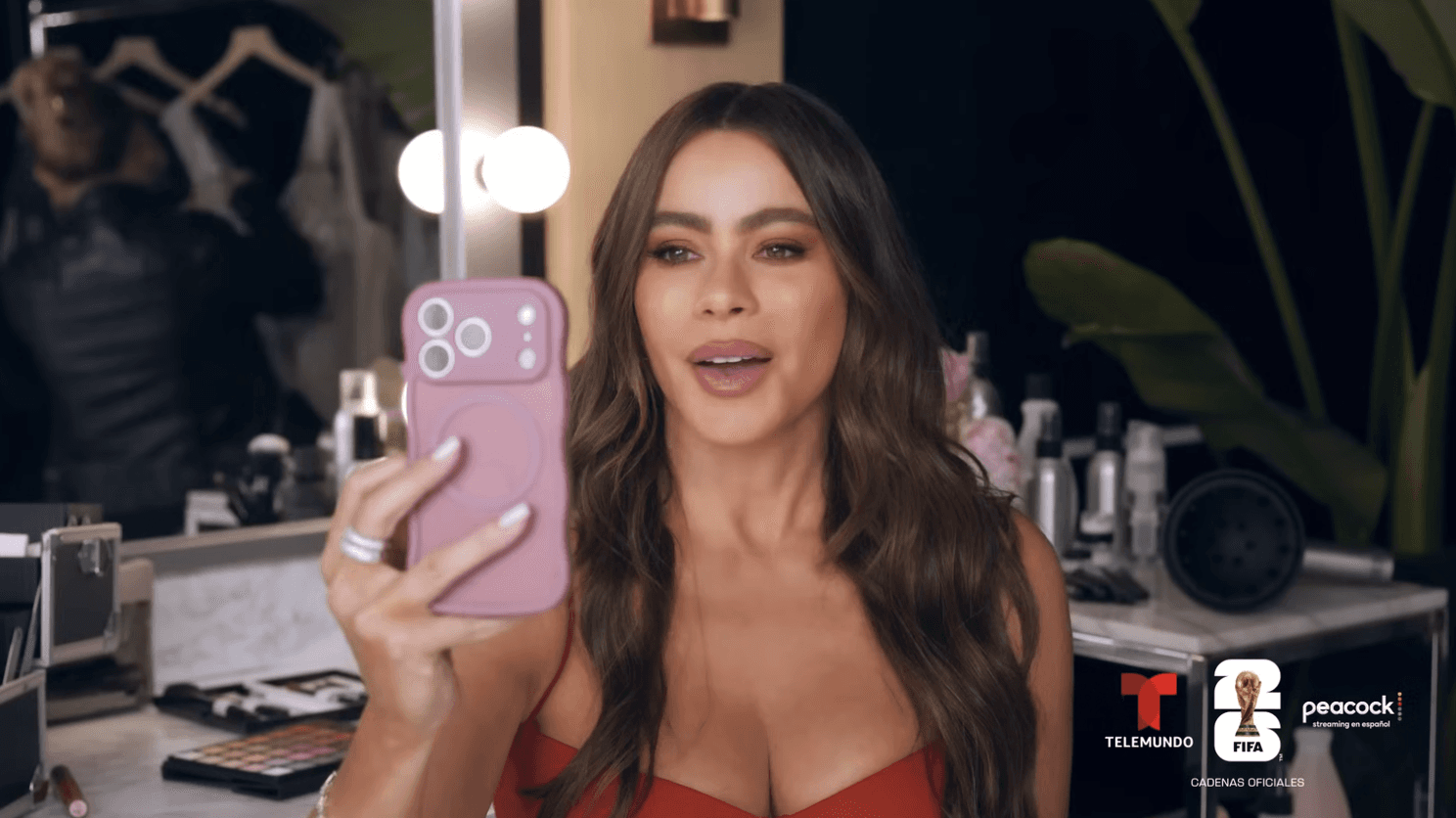
The Strategic Move:
Language wasn’t positioned as a barrier. It was positioned as access.
Key Takeaway: When language becomes the entry point to cultural participation, it scales beyond a single segment and becomes mainstream momentum.
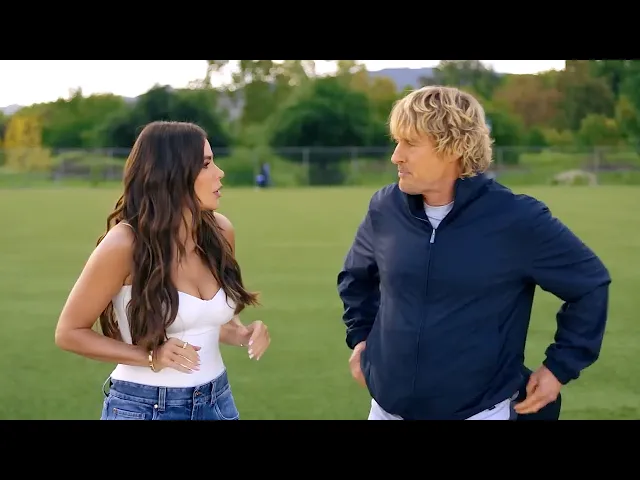
Case Study #4
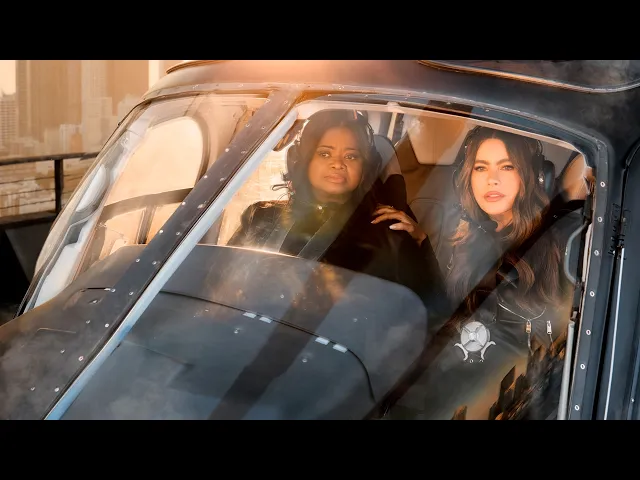
Boehringer Ingelheim — “Mission: Detect the SOS”
The Evolution of Representation
This spot shows another critical shift. Latino talent isn’t only appearing in “Latino stories.”
Sofía Vergara was positioned as a mainstream action-comedy lead alongside Octavia Spencer — not categorized, not explained, not labeled.
Just cast.
This normalization reflects a deeper industry evolution.

Key Takeaway: The future isn’t “Hispanic ads.” It’s omnicultural casting combined with universal storytelling that mirrors America’s hybrid reality.
The Strategic Reality
The consumer in 2026 is:
Bilingual
Bicultural
Digitally native
Socially hybrid
Influenced by global culture in real time
Yet many organizations still plan as if “general market” exists in a culture-neutral vacuum.
It doesn’t. The brands that stood out during Super Bowl 2026 did three things exceptionally well:
Built from culture, not around it
Assumed bilingual reality
Designed participation, not translation
This isn’t about diversity as a checkbox. It’s about cultural fluency as a growth driver.
And this shift couldn’t be happening at a more critical moment, because FIFA World Cup 2026 is right around the corner.
Super Bowl Was the Preview. FIFA Will Be the Global Stage.
If Super Bowl 2026 confirmed that America’s mainstream is multicultural, FIFA 2026 will amplify that truth globally.
This won’t just be another sporting event.
It will be one of the most culturally layered, internationally connected moments ever hosted across North America.
Global audiences. Massive Hispanic and Latino engagement. Diaspora communities. Bilingual households celebrating in real time.
Sports, identity, and language will converge at scale.
Brands will have a choice:
Retrofit culture into a “general market” campaign.
Or build from cultural intelligence from day one.
Super Bowl 2026 previewed who understands this shift. FIFA 2026 will reveal who is strategically prepared for it.
At Mazdi, we don’t approach multiculturalism as a post-strategy adjustment.
We start there.
Because the modern American mainstream is already hybrid.
The United States is not “general market + everyone else.”
It is one omnicultural ecosystem.
The brands that will lead during FIFA 2026 — and beyond — won’t be the ones that translate messaging more efficiently.
They’ll be the ones who design a strategy around cultural intelligence from the beginning.
Better integration. Better resonance. Better authenticity at scale.
Omnicultural strategy isn’t a trend.
It’s the competitive advantage of this decade.
Super Bowl 2026 made that clear.
FIFA 2026 will make it undeniable.
And the brands that build for the real America, not outdated segmentation models, will define the next era of advertising.
Reach out to explore how omnicultural thinking can drive your next stage of growth.
sebas@mazdi.us | zulu@mazdi.us | victoria@mazdi.us | ana.c@mazdi.us
Written by Ana Tamayo