
Sebastian Gonzalez

CSO

The "General Market" Isn't General Anymore: Why Multicultural Marketing Is Now Mainstream Strategy

Feb 9, 2026

Another reminder that the “general market” isn’t general anymore: the U.S. is already a majority-multicultural reality in practice. In 2024, non-Hispanic White Americans were approximately 57.5% of the population—meaning around 42.5% of the country is Hispanic, Black, Asian, multiracial, or from another diverse background. This demographic shift is not just a statistic; it is a fundamental transformation of the American consumer landscape that brands must recognize and embrace to remain relevant and competitive.

Sebastian Gonzalez

CSO

The "General Market" Isn't General Anymore: Why Multicultural Marketing Is Now Mainstream Strategy

Feb 9, 2026

Another reminder that the “general market” isn’t general anymore: the U.S. is already a majority-multicultural reality in practice. In 2024, non-Hispanic White Americans were approximately 57.5% of the population—meaning around 42.5% of the country is Hispanic, Black, Asian, multiracial, or from another diverse background. This demographic shift is not just a statistic; it is a fundamental transformation of the American consumer landscape that brands must recognize and embrace to remain relevant and competitive.

Shift in Focus: Hispanic Marketing in Today’s General Market

Unlock the potential of Hispanic marketing in today's diverse market. Learn strategies that effectively engage this demographic for lasting business growth.
Understanding the Multicultural Market Landscape

The multicultural market in the United States is vibrant, diverse, and growing rapidly. Hispanic Americans alone represent one of the fastest-growing consumer segments, with significant purchasing power that is projected to exceed $2.8 trillion by 2025. Similarly, Black and Asian American communities contribute substantially to the economy, influencing trends across industries from technology to fashion to food and beverage.

These groups are not monolithic; they encompass a wide range of cultures, languages, and consumer behaviors. For example, the Hispanic community includes individuals from Mexican, Puerto Rican, Cuban, Central American, and South American backgrounds, each with unique cultural nuances and preferences. Recognizing this diversity is critical for brands aiming to connect authentically and effectively.

Why Multicultural Marketing is No Longer Optional

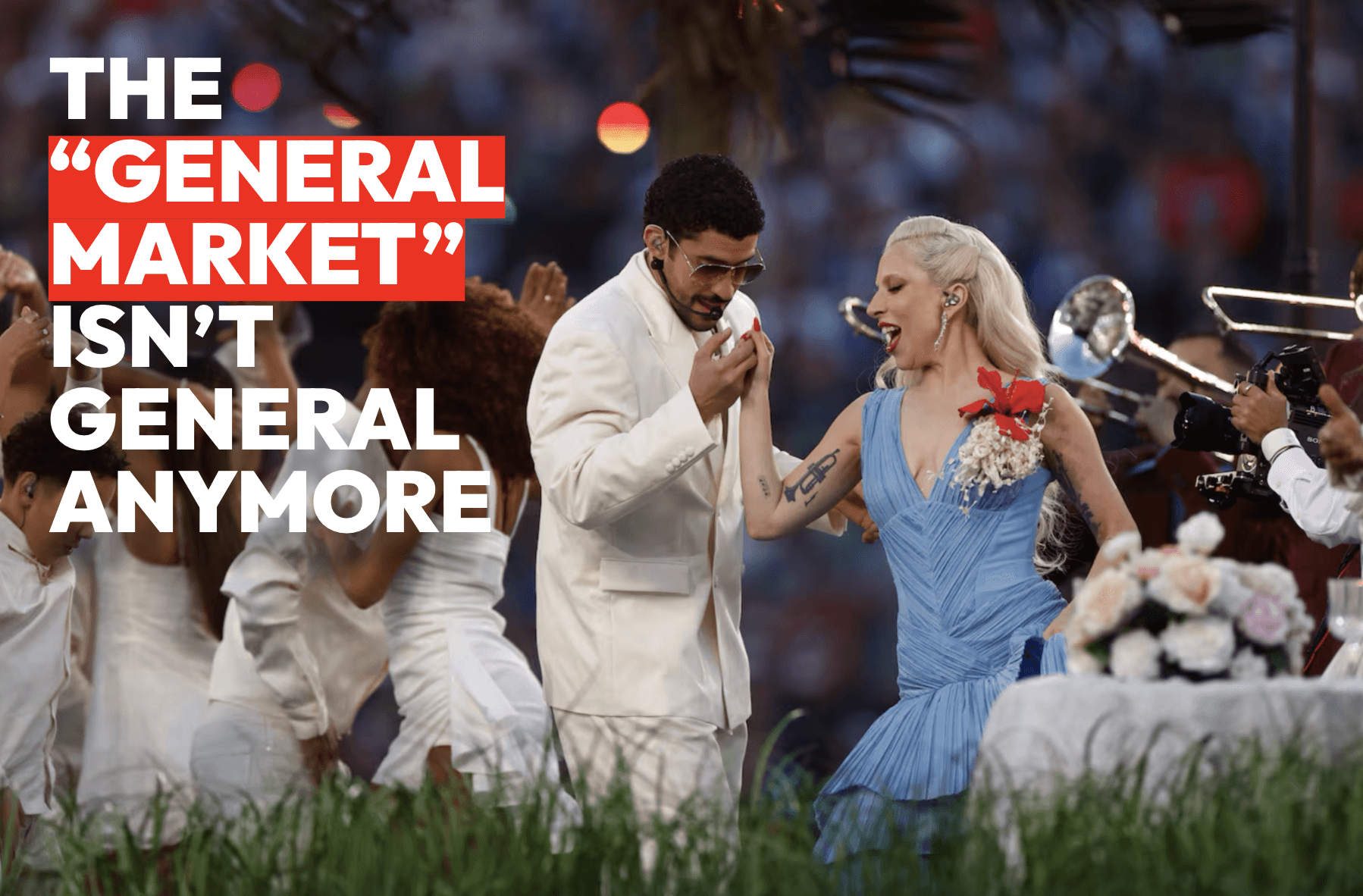
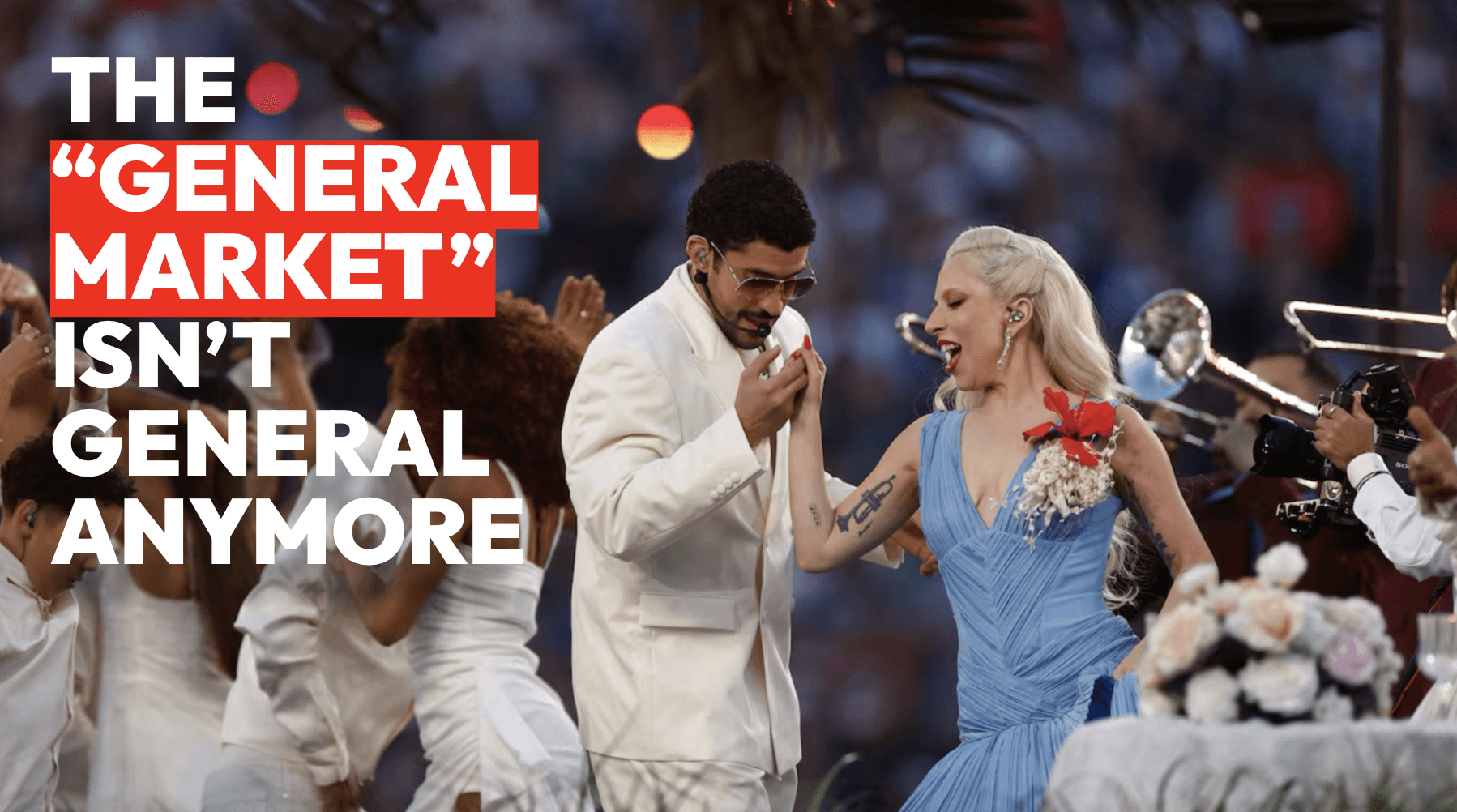
Pop culture continues to highlight the importance of multicultural representation. A prime example is the Super Bowl LX halftime show on February 8, 2026, headlined by Bad Bunny, which centered Puerto Rican culture on one of the biggest mainstream stages in America. This event was more than entertainment; it was a cultural milestone that underscored the growing influence of multicultural audiences.

For brands, the takeaway is clear: multicultural marketing isn’t a side project anymore; it’s the market. Traditional “general market” campaigns that do not consider multicultural consumers risk missing out on significant growth opportunities. Instead, brands must integrate multicultural insights into their core marketing strategies to build lasting connections and drive business results.

Current Challenges in Multicultural Marketing

Despite the clear importance of multicultural consumers, many Consumer Packaged Goods (CPG) brands struggle to convert multicultural-led household behaviors into measurable outcomes such as velocity, trial, and repeat purchases. This gap often stems from treating multicultural marketing as a series of disconnected initiatives rather than a cohesive, year-round strategy.

Many brands still rely on “language coating” — simply translating existing campaigns into Spanish or other languages — without deeper cultural adaptation. This approach fails to resonate authentically with diverse audiences and limits the potential impact of marketing efforts.

Key Multicultural Marketing Trends to Watch

  • Authenticity and Culturalization: Consumers increasingly demand authentic representation that reflects their lived experiences. Culturalization goes beyond translation to embed cultural insights into every aspect of a campaign, from messaging to visuals to media channels.

  • Data-Driven Personalization: Advances in data analytics enable brands to understand multicultural consumers at a granular level, allowing for personalized marketing that speaks directly to specific segments within broader communities.

  • Influencer and Community Engagement: Collaborating with multicultural influencers and community leaders helps brands build trust and credibility, fostering deeper engagement.

  • Year-Round Engagement: Multicultural marketing is no longer confined to heritage months or cultural holidays. Successful brands maintain consistent engagement throughout the year, reflecting the ongoing importance of these consumers.

Case Studies: Successful Multicultural Marketing in Action

1. PepsiCo’s “For the Love of It” Campaign: PepsiCo launched a campaign that celebrated multicultural families and their unique traditions. By featuring diverse stories and leveraging bilingual content, the campaign achieved significant increases in brand affinity and sales within Hispanic and Black communities.

2. Nike’s “You Can’t Stop Us” Campaign: Nike’s campaign highlighted athletes from diverse backgrounds, emphasizing unity and resilience. The authentic storytelling resonated across multicultural audiences, driving engagement and reinforcing Nike’s commitment to inclusivity.

Actionable Strategies for Building a Multicultural Marketing Program

  1. Develop a Clear Structure and Ownership: Assign dedicated multicultural marketing leads and integrate multicultural objectives into overall brand goals to ensure accountability and focus.

  2. Invest in Cultural Insights: Conduct qualitative and quantitative research to understand the values, behaviors, and media consumption habits of different multicultural segments.

  3. Build Authentic Creative: Collaborate with multicultural creatives and agencies to develop campaigns that genuinely reflect the target audience’s culture and experiences.

  4. Leverage Multichannel Media: Use a mix of traditional, digital, social, and influencer channels tailored to the preferences of multicultural consumers.

  5. Measure and Optimize: Track key performance indicators such as brand awareness, engagement, trial, and repeat purchase rates within multicultural segments, and refine strategies based on data.

  6. Commit to Year-Round Engagement: Move beyond heritage months by embedding multicultural marketing into the brand’s ongoing calendar to maintain relevance and build long-term relationships.

Building Relevance and Trust in America’s New Consumer Landscape

The “general market” still exists, but it is no longer a single, homogeneous audience. Instead, it is a dynamic and living mix of cultures, behaviors, and identities. Brands that accept this reality and build for it year-round will earn relevance, trust, and growth in America’s evolving consumer landscape.

Multicultural marketing is not just about reaching diverse audiences; it is about embracing diversity as a core business strategy. By doing so, brands can unlock new growth opportunities, foster deeper connections, and position themselves as leaders in an increasingly multicultural America.

Ready to Transform Your Multicultural Marketing Strategy?

Discover how to build authentic, impactful campaigns that resonate with diverse audiences and drive measurable growth. Partner with experts who understand the nuances of multicultural marketing and can help you create a year-round strategy that delivers results.


Shift in Focus: Hispanic Marketing in Today’s General Market

Unlock the potential of Hispanic marketing in today's diverse market. Learn strategies that effectively engage this demographic for lasting business growth.

Understanding the Multicultural Market Landscape

The multicultural market in the United States is vibrant, diverse, and growing rapidly. Hispanic Americans alone represent one of the fastest-growing consumer segments, with significant purchasing power that is projected to exceed $2.8 trillion by 2025. Similarly, Black and Asian American communities contribute substantially to the economy, influencing trends across industries from technology to fashion to food and beverage.

These groups are not monolithic; they encompass a wide range of cultures, languages, and consumer behaviors. For example, the Hispanic community includes individuals from Mexican, Puerto Rican, Cuban, Central American, and South American backgrounds, each with unique cultural nuances and preferences. Recognizing this diversity is critical for brands aiming to connect authentically and effectively.

Why Multicultural Marketing is No Longer Optional

Pop culture continues to highlight the importance of multicultural representation. A prime example is the Super Bowl LX halftime show on February 8, 2026, headlined by Bad Bunny, which centered Puerto Rican culture on one of the biggest mainstream stages in America. This event was more than entertainment; it was a cultural milestone that underscored the growing influence of multicultural audiences.

For brands, the takeaway is clear: multicultural marketing isn’t a side project anymore; it’s the market. Traditional “general market” campaigns that do not consider multicultural consumers risk missing out on significant growth opportunities. Instead, brands must integrate multicultural insights into their core marketing strategies to build lasting connections and drive business results.

Current Challenges in Multicultural Marketing

Despite the clear importance of multicultural consumers, many Consumer Packaged Goods (CPG) brands struggle to convert multicultural-led household behaviors into measurable outcomes such as velocity, trial, and repeat purchases. This gap often stems from treating multicultural marketing as a series of disconnected initiatives rather than a cohesive, year-round strategy.

Many brands still rely on “language coating” — simply translating existing campaigns into Spanish or other languages — without deeper cultural adaptation. This approach fails to resonate authentically with diverse audiences and limits the potential impact of marketing efforts.

Key Multicultural Marketing Trends to Watch

  • Authenticity and Culturalization: Consumers increasingly demand authentic representation that reflects their lived experiences. Culturalization goes beyond translation to embed cultural insights into every aspect of a campaign, from messaging to visuals to media channels.

  • Data-Driven Personalization: Advances in data analytics enable brands to understand multicultural consumers at a granular level, allowing for personalized marketing that speaks directly to specific segments within broader communities.

  • Influencer and Community Engagement: Collaborating with multicultural influencers and community leaders helps brands build trust and credibility, fostering deeper engagement.

  • Year-Round Engagement: Multicultural marketing is no longer confined to heritage months or cultural holidays. Successful brands maintain consistent engagement throughout the year, reflecting the ongoing importance of these consumers.

Case Studies: Successful Multicultural Marketing in Action

1. PepsiCo’s “For the Love of It” Campaign: PepsiCo launched a campaign that celebrated multicultural families and their unique traditions. By featuring diverse stories and leveraging bilingual content, the campaign achieved significant increases in brand affinity and sales within Hispanic and Black communities.

2. Nike’s “You Can’t Stop Us” Campaign: Nike’s campaign highlighted athletes from diverse backgrounds, emphasizing unity and resilience. The authentic storytelling resonated across multicultural audiences, driving engagement and reinforcing Nike’s commitment to inclusivity.

Actionable Strategies for Building a Multicultural Marketing Program

  1. Develop a Clear Structure and Ownership: Assign dedicated multicultural marketing leads and integrate multicultural objectives into overall brand goals to ensure accountability and focus.

  2. Invest in Cultural Insights: Conduct qualitative and quantitative research to understand the values, behaviors, and media consumption habits of different multicultural segments.

  3. Build Authentic Creative: Collaborate with multicultural creatives and agencies to develop campaigns that genuinely reflect the target audience’s culture and experiences.

  4. Leverage Multichannel Media: Use a mix of traditional, digital, social, and influencer channels tailored to the preferences of multicultural consumers.

  5. Measure and Optimize: Track key performance indicators such as brand awareness, engagement, trial, and repeat purchase rates within multicultural segments, and refine strategies based on data.

  6. Commit to Year-Round Engagement: Move beyond heritage months by embedding multicultural marketing into the brand’s ongoing calendar to maintain relevance and build long-term relationships.

Building Relevance and Trust in America’s New Consumer Landscape

The “general market” still exists, but it is no longer a single, homogeneous audience. Instead, it is a dynamic and living mix of cultures, behaviors, and identities. Brands that accept this reality and build for it year-round will earn relevance, trust, and growth in America’s evolving consumer landscape.

Multicultural marketing is not just about reaching diverse audiences; it is about embracing diversity as a core business strategy. By doing so, brands can unlock new growth opportunities, foster deeper connections, and position themselves as leaders in an increasingly multicultural America.

Ready to Transform Your Multicultural Marketing Strategy?

Discover how to build authentic, impactful campaigns that resonate with diverse audiences and drive measurable growth. Partner with experts who understand the nuances of multicultural marketing and can help you create a year-round strategy that delivers results.

Let’s bring your vision to life

Hola, Mario here! Thanks for exploring our website, any questions? Let me your info here and me and my team will reach out to you as soon as possible. We're happy to help!

Profile portrait of a man in a white shirt against a light background

Mario Zuluaga

Founder & VP of New Business

Extreme close-up black and white photograph of a human eye

Contact us

Let’s bring your vision to life

Hola, Mario here! Thanks for exploring our website, any questions? Let me your info here and me and my team will reach out to you as soon as possible. We're happy to help!

Profile portrait of a man in a white shirt against a light background

Mario Zuluaga

Founder & VP of New Business

Extreme close-up black and white photograph of a human eye

Contact us

Let’s bring your vision to life

Hola, Mario here! Thanks for exploring our website, any questions? Let me your info here and me and my team will reach out to you as soon as possible. We're happy to help!

Profile portrait of a man in a white shirt against a light background

Mario Zuluaga

Founder & VP of New Business

Extreme close-up black and white photograph of a human eye

Contact us